

11/12/2025
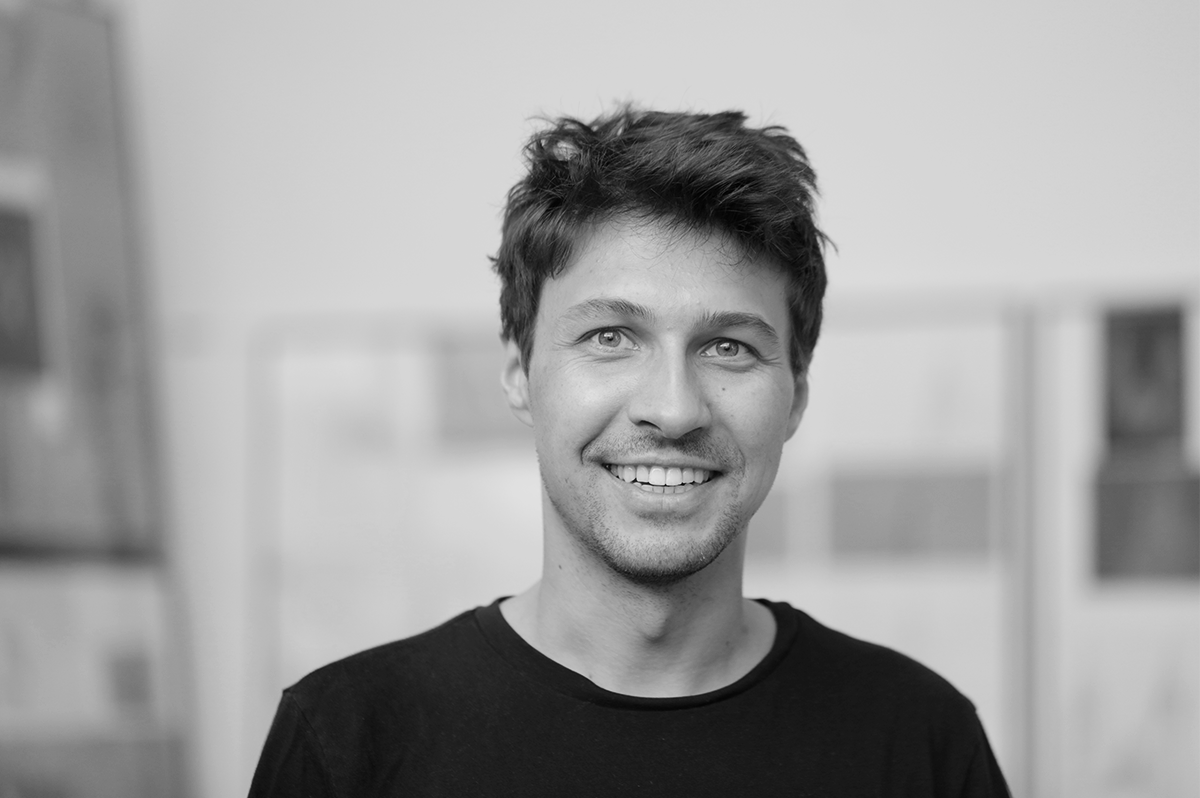
A talk with the designer Alexis Vivet
At a time when design embraces simplicity and detail as a language, the creations of interior designer Alexis Vivet offer a defined, elegant perspective. With an approach grounded in purity of form and quiet functionality, his work connects the everyday with sensitivity.
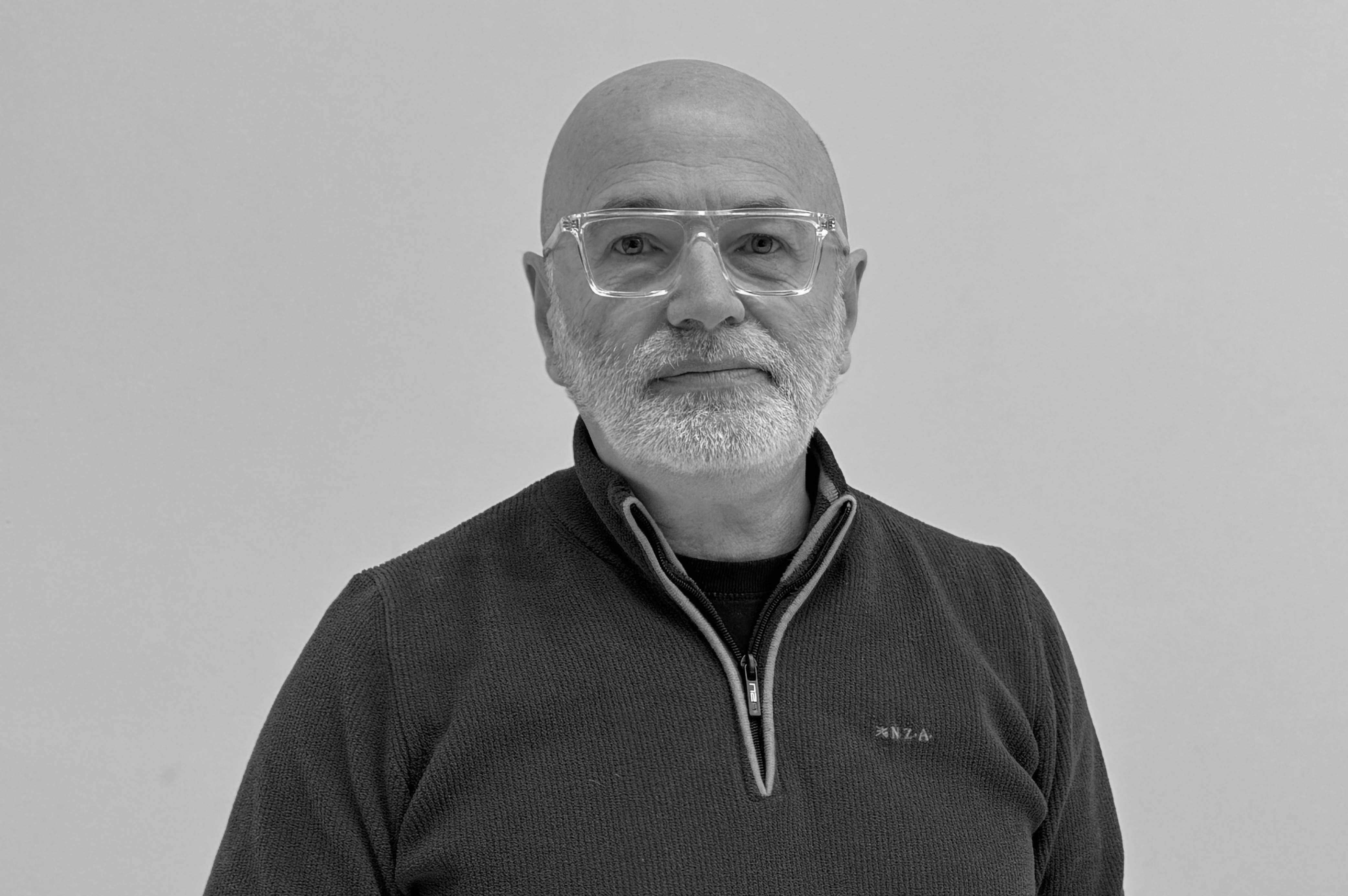
The designer, who has been collaborating with Viefe for over ten years, has developed iconic models for our brand, such as those in the Vann, Hinoki, and Birdd collections.
When and why did you start collaborating with Viefe?
 Whitch factors do you prioritize when designing an architectural hardware accessory?
 Can you name a project you are especially proud of?
 What steps do you follow when designing a product?
 Your favorites
In this interview, Vivet talks to us about his career, the philosophy behind his creations, and the process that brings his pieces to life.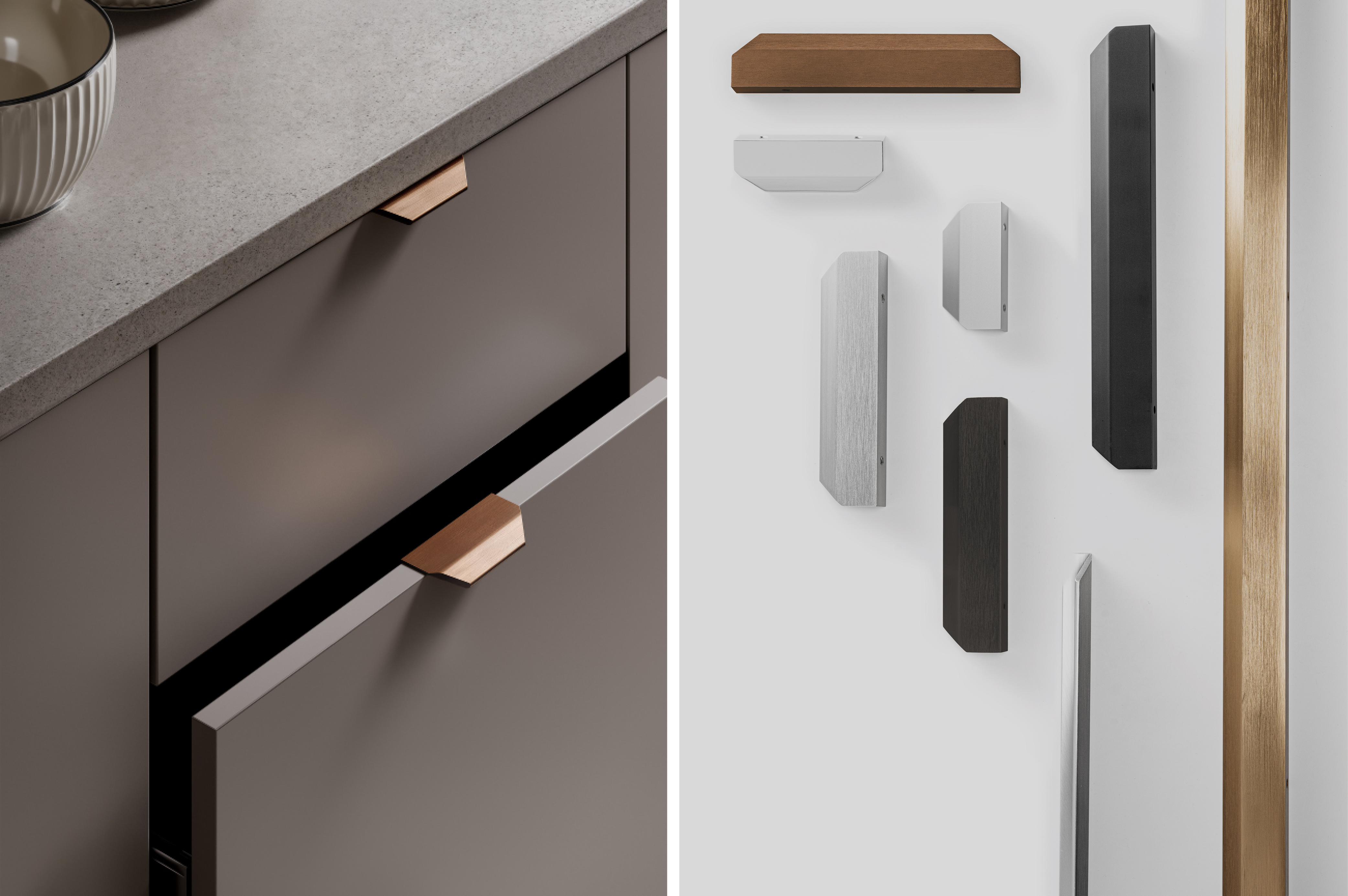 Alexis, can you briefly tell us about your professional background?
 After finishing my interior design degree at Elisava, I focused on the world of mass-produced furniture design. In this field, I designed some specific handle models for furniture projects. Right after that, I started collaborating with Viefe, first with specific designs for large retail chains (mainly German ones), and later for the brand catalogue. Subsequently, I have been carrying out projects in the field of museography and exhibitions.
We go back to 2014, when I contacted the sales director to produce a specific design for a youth furniture project. I was invited to visit their facilities, then located in the town center of Sant Pere de Torelló, and from there the collaboration emerged.
Whitch factors do you prioritize when designing an architectural hardware accessory?Balance and originality in shapes.
Which of the designs you’ve created for Viefe are your favorites? Why?
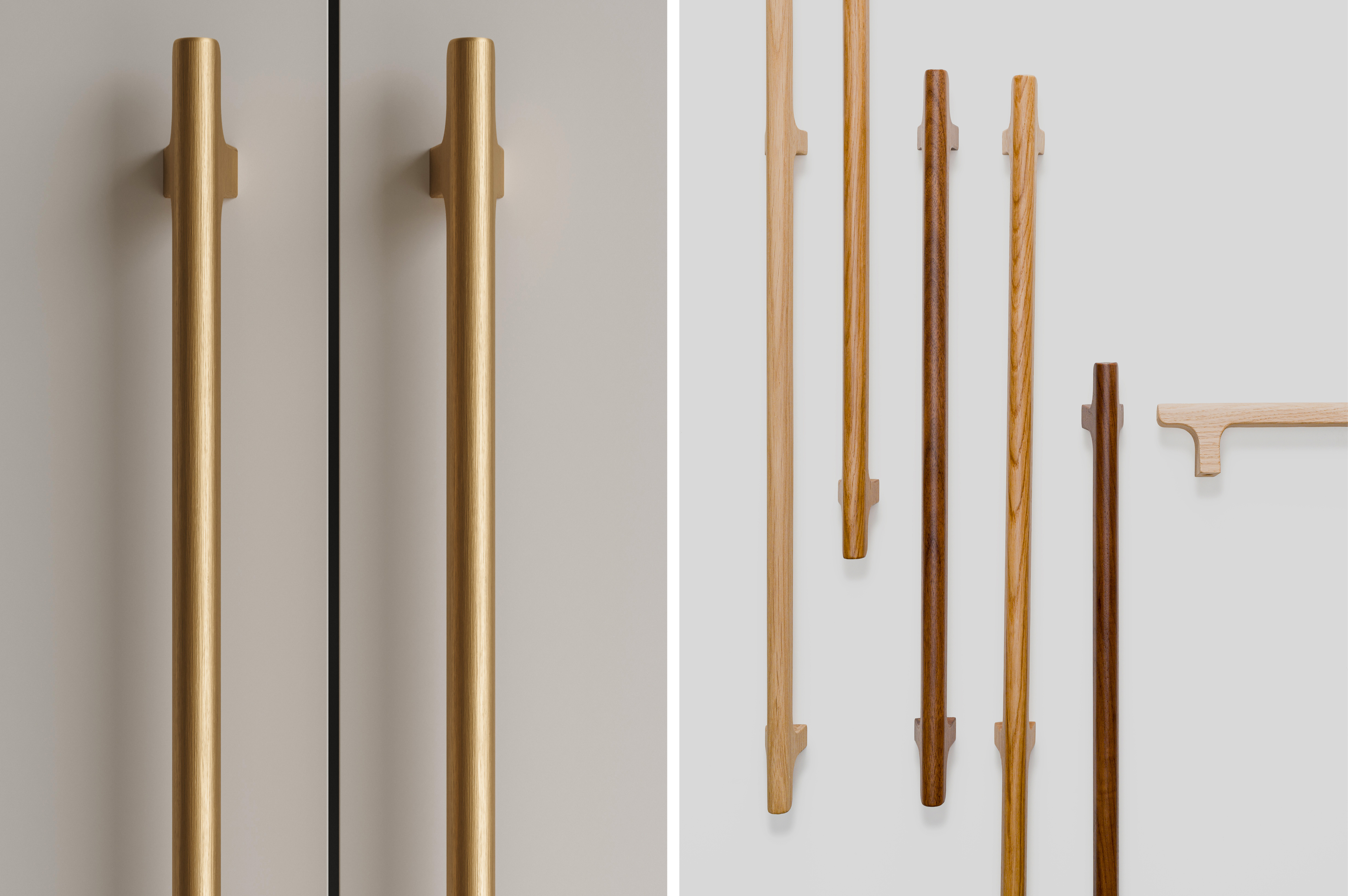
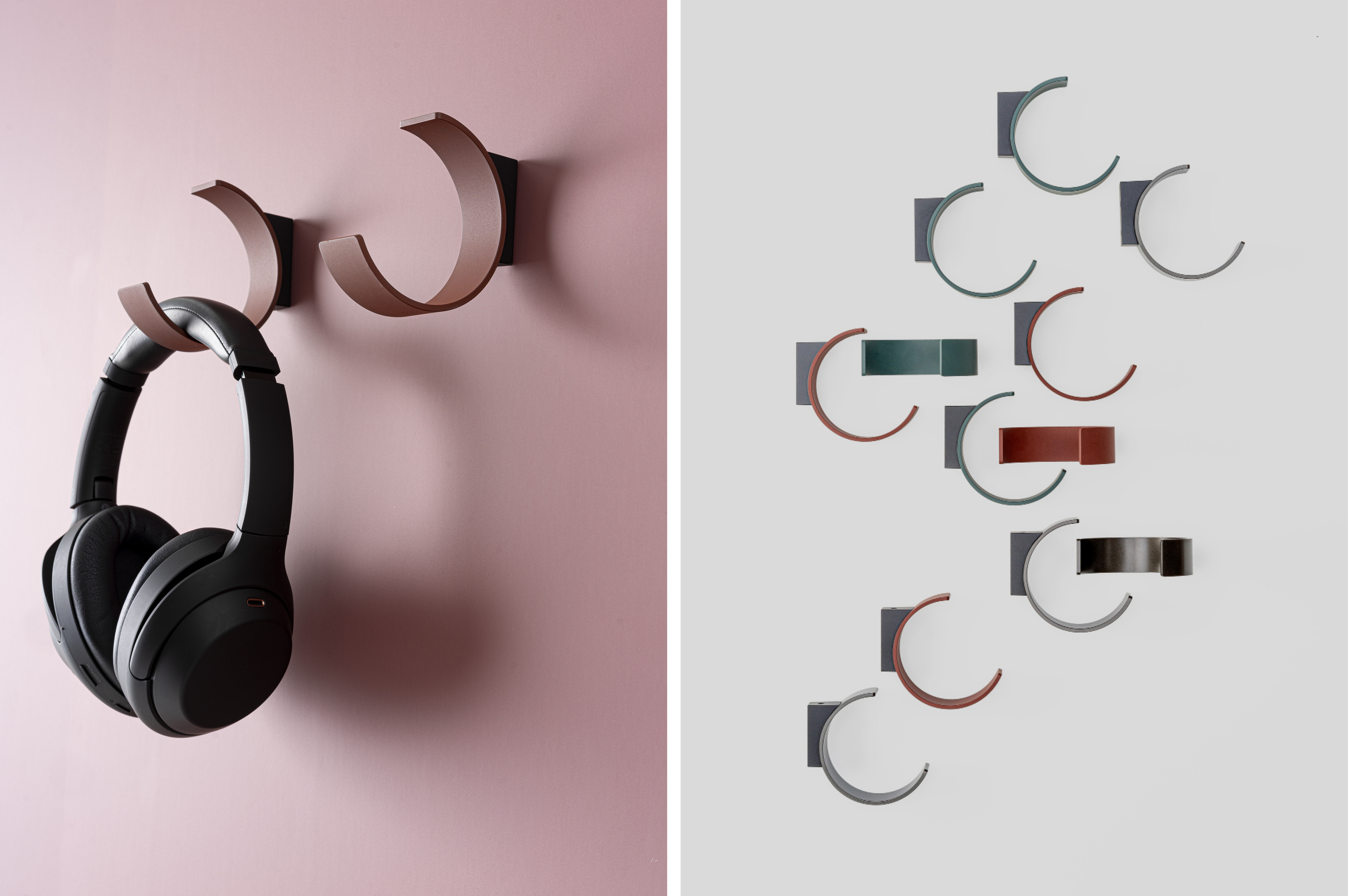
After so many years, it’s hard to choose. I’d say the Vann handle for the simplicity of its forms and the longevity of its success. The Oh! model, also for its purity. The Hinoki collection, which was recently awarded, for its purity and balance. Among the wall hooks, I really like Zett, also the result of an exercise in shape simplification, and Birdd, for being quite a different concept.
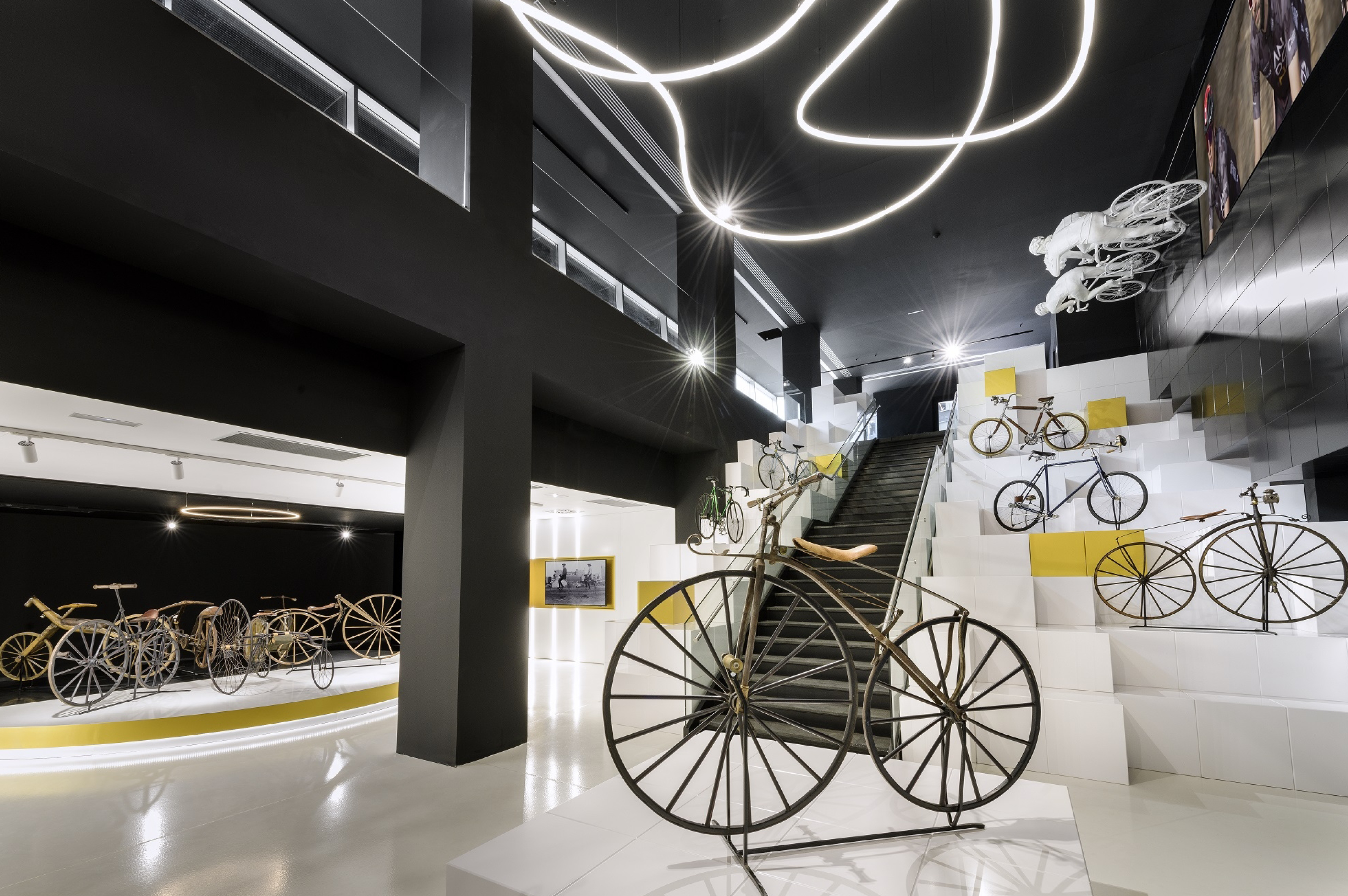
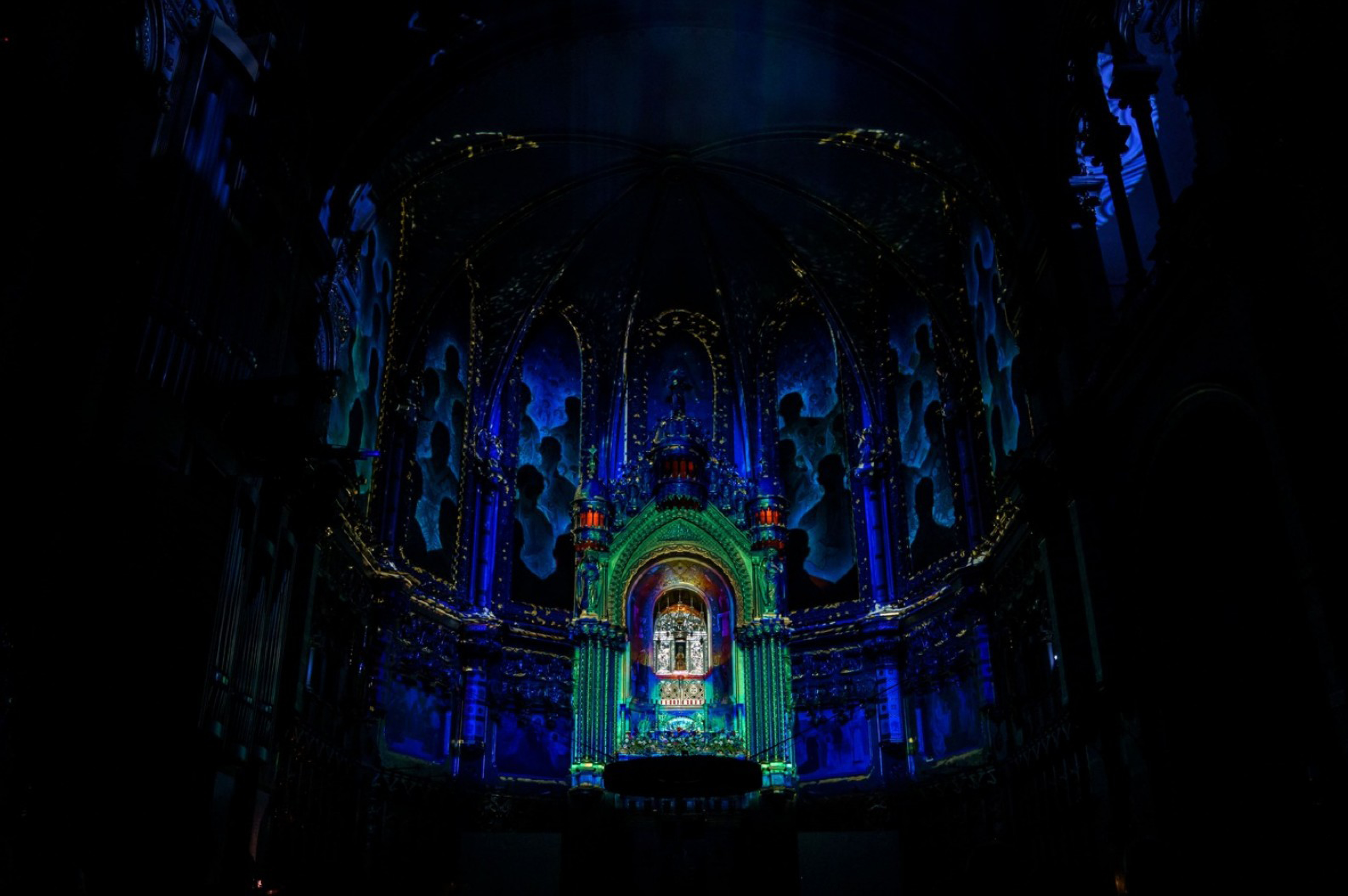
Can you name a project you are especially proud of?The Bicycle Museum of Andorra, in which I participated in the design and managed the construction project, and also having taken part, again as project manager, in the production and installation of the Montserrat Millennium mapping. Both projects were carried out for the company Playmedia Group.
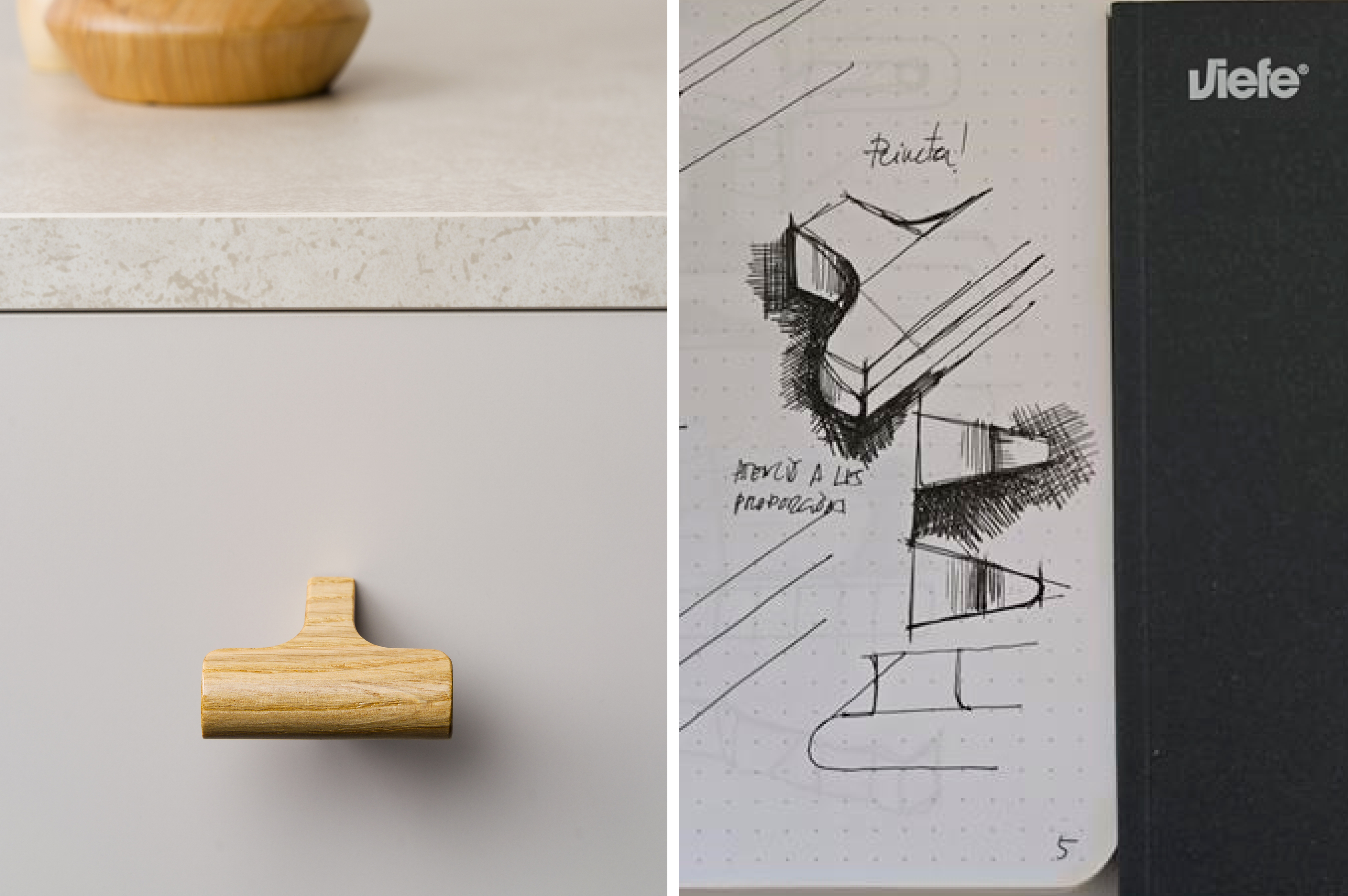
What steps do you follow when designing a product?Often, I propose random ideas without being influenced by trends or references. I leave research on what the competition and other references are doing for a second phase. Then I work on the initial hand-drawn sketches in a 3D CAD program and, for the past couple of years, I’ve relied on 3D printing to fine-tune details, proportions, and ergonomics. Finally, proposals are always presented with rendered examples in context… similar to the catalog photographs.
What inspires you?
Sometimes objects from diverse fields, ranging from art pieces to decorative elements.
Your favoritesA material… wood.
A shape… the line that simplifies everything.
A color… matte black, not uniform, sophisticated.
A finish… matt, matt.
An interior design style… personally, somewhere in a Latin mix between Nordic style —for its simplicity— and a craft/industrial blend.
The perfect decorative accessory is the one that… fits perfectly in the space, adding presence while fulfilling the function it was designed for.
What’s your favorite part of the house? The multifunctional space where I live and work.